


Many first-time visitors share a similar experience online:
“I walked into a public hospital in China… and had no idea what to do next.”
From WeChat mini-program bookings to the pay-first payment model, China’s public hospital system can feel very different from what travelers are used to in Europe or North America.
This article provides a practical overview of how the system works — especially for first-time international visitors.
This article is for informational purposes only and does not constitute medical advice.
Understanding China’s 3-Tier Public Hospital Classification System
China’s public hospitals are classified into three main levels.
Level I (Primary Hospitals)
Community-level facilities providing basic outpatient care and general medical services.
Level II (Secondary Hospitals)
Regional hospitals offering broader specialty services and inpatient care.
Level III (Tertiary Hospitals)
Large comprehensive hospitals, often affiliated with medical universities. These institutions typically handle high patient volumes and complex cases.

What Does “3A Hospital” Mean?
Within Level III hospitals, the highest designation is Level III Grade A, commonly referred to as “3A hospitals.”
According to the 2023 Statistical Bulletin on the Development of China’s Health Sector, published by China’s National Health Commission, there were 1,795 Grade-3A hospitals nationwide as of 2023, accounting for approximately 4.68% of all hospitals in China. The evaluation cycle is generally conducted every four years.
To qualify as a 3A hospital, institutions must meet comprehensive criteria outlined in the national Tertiary Hospital Evaluation Standards. These requirements typically include:
A minimum of 500 hospital beds
A complete departmental structure
Qualified medical staffing levels
Adequate equipment standards and financial capacity
Beyond infrastructure, the evaluation framework also assesses:
Clinical service capability
Capacity to manage complex and severe cases
Scope and difficulty level of surgical procedures
Quality control and patient safety monitoring systems
Hospitals are subject to periodic reassessment, and expert review teams may conduct inspections as part of the evaluation process.
The 3A designation reflects regulatory and administrative standards within China’s public hospital classification system. It does not represent a ranking system nor guarantee specific medical outcomes.
Source:
National Health Commission of the People’s Republic of China. 2023 Statistical Bulletin on the Development of China’s Health Sector.
Major Medical Centers in China
Healthcare resources in China are concentrated in major metropolitan areas, particularly:
Beijing
Shanghai
Guangzhou
Chengdu
Examples of large public teaching hospitals (for reference only):
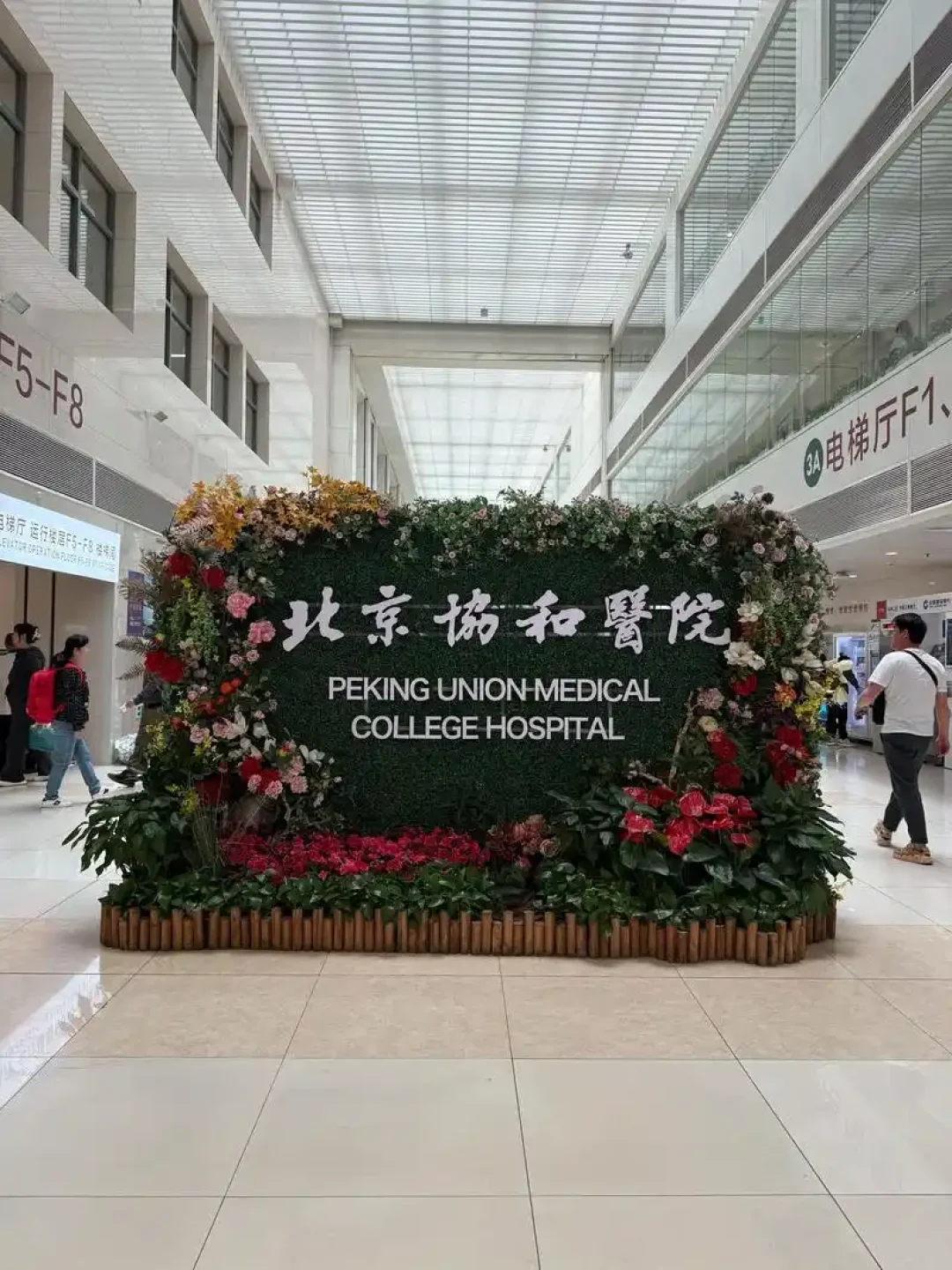
Peking Union Medical College Hospital (Beijing)
Ruijin Hospital (Shanghai)
The First Affiliated Hospital of Sun Yat-sen University (Guangzhou)
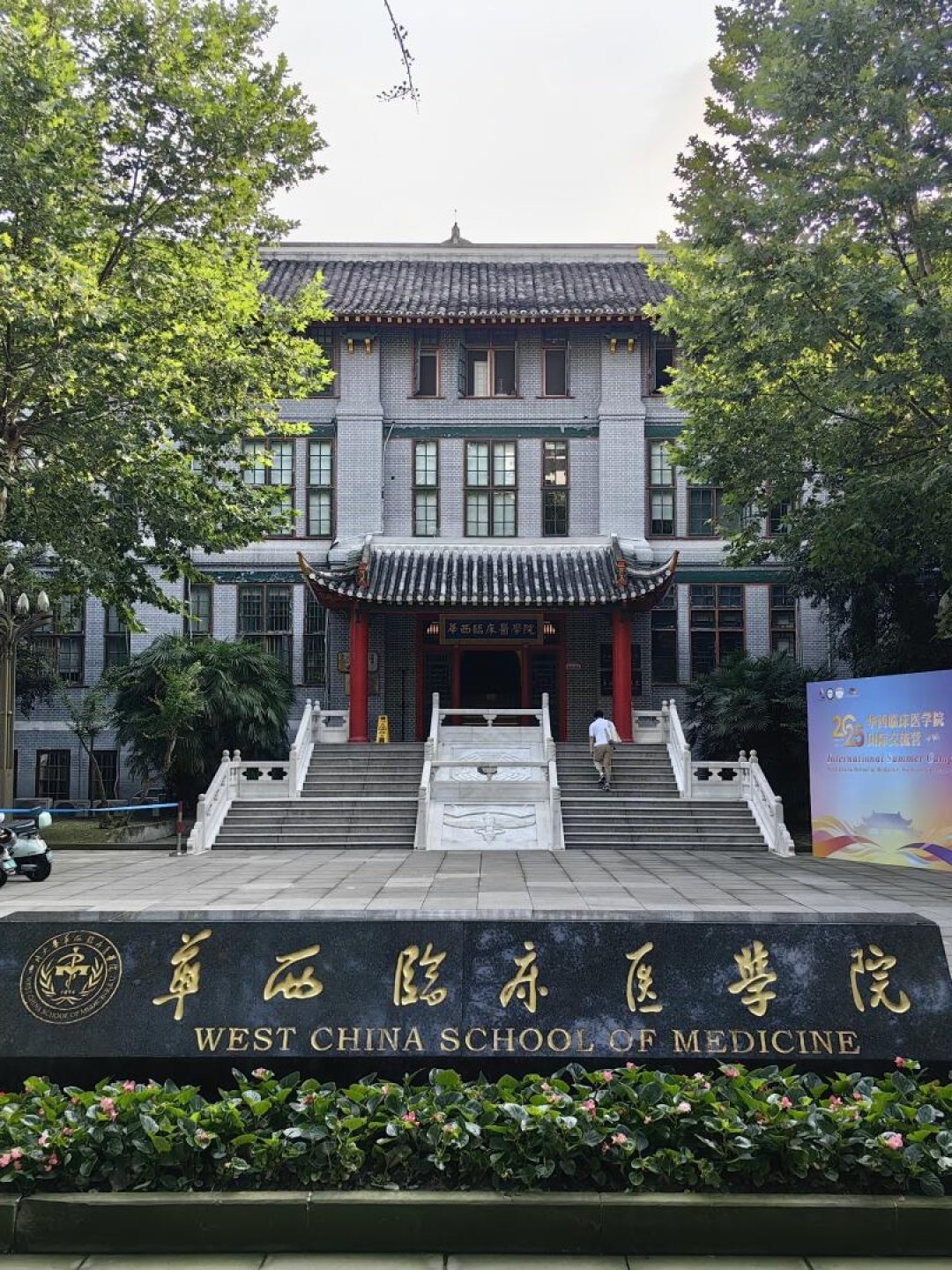
West China Hospital of Sichuan University (Chengdu)
These are large public institutions serving patients from across the country.
This article does not rank or recommend any specific hospital.
However, many international visitors are less concerned with the hospital system itself and more interested in what types of healthcare services they can realistically access during a short stay.
For example, some travelers arrange dental cleanings, basic eye exams, or a single acupuncture session while visiting China.
If you’re curious what kinds of medical services can realistically fit into a day during travel, you can read our practical guide here:


Step-by-Step: What Happens During a Typical Public Hospital Visit
For many international visitors, the process itself is the most unfamiliar part.

1. Real-Name Registration
Patients must register using their passport. Real-name registration is standard practice in public hospitals.
2. Advance Appointment Booking
Large public hospitals typically require advance booking.
Patients can often select a preferred department and doctor through the hospital’s official mobile app or WeChat/Alipay mini-program.
Some hospitals allow walk-in registration, but if appointment slots are full, waiting times may be long.
3. Doctor Consultation
Due to high patient volume, consultation time may be relatively brief compared to systems where appointment slots are longer.
This reflects structural differences in healthcare delivery rather than quality comparisons.
4. The “Pay-First” Model
Unlike some Western systems, most Chinese public hospitals operate on a pay-before-service model.
Before laboratory tests or imaging (such as CT or MRI), patients typically complete payment in advance.
Payments are commonly made via QR code using WeChat Pay or Alipay. Payment status can often be viewed inside the hospital app or mini-program.
5. Test Progress and Reports
Some test results may be available on the same day or within a few days, depending on the type of examination.
Patients can often check progress and access electronic reports via the hospital’s digital system.
For imaging examinations, CT or MRI films may be printed at hospital self-service machines.
Reports are generally issued in Chinese. If an English version is required, it may need to be requested separately (availability varies). Most public hospitals do not routinely provide translation services.
What Often Feels Different for International Visitors
Several structural differences commonly surprise first-time foreign patients:
High patient volume in major hospitals
Digital-first booking and payment systems
Itemized pricing structure
Limited English support in ordinary outpatient clinics
Medical reports primarily issued in Chinese
These differences reflect variations in administrative systems and operational scale rather than direct comparisons of medical quality.
Ordinary Outpatient vs. International (VIP) Clinics
Some large public hospitals operate separate international or VIP clinics.
Ordinary Outpatient Clinics
Lower consultation fees
High patient flow
Limited English support
International / VIP Clinics
Appointment-based scheduling
English-speaking staff may be available
Higher consultation fees
Availability and structure vary by hospital.
Final Thoughts
China’s public hospital system is large-scale, highly structured, and increasingly digital.
For international visitors, understanding how registration, booking, payment, and reporting systems operate can significantly reduce confusion.
This article aims to explain institutional and procedural differences only. It does not provide medical recommendations or clinical guidance.
If you have specific health concerns, consult qualified medical professionals.
FAQ: Common Questions from International Visito
Do I need to book in advance?
For large public hospitals, advance booking through official apps or mini-programs is often required.
Why do I have to pay before each test?
Many public hospitals operate a pay-before-service model, where each examination or procedure is paid for in advance.
Will hospital staff speak English?
English support is often limited in ordinary outpatient departments. Some hospitals offer international clinics with better English support.
Are reports available digitally?
Many hospitals provide electronic report access through their apps or mini-programs. Implementation varies by institution.
0 Comment